Human Interest

When Others Judge – Holding it Together

These past weeks have been a DOOZY for me. While I used to be a bad ass during stressful situations, I have come to learn with experience that loss, real loss, devastating – change – your – life -loss can happen in a moment. Sometimes I think I am one more change away from losing my mind. The older I get the more the fear of loss is real. There’s been a great deal of trauma involved, and that lends itself to more anxiety. Faith. I must have it. God’s got this I tell myself. Naturally, I must learn to believe that.

People often get mad when they’re afraid because anger can be a defense mechanism to cope with the uncomfortable feelings of fear and a sense of vulnerability. If trauma has taught them they cannot trust an unknown outcome, this can be very scary for the people on the other side of that fear. Both fear and anger trigger the “fight-or-flight” response, releasing stress hormones and preparing the body for action. When the nervous system is activated by fear, an individual may unconsciously choose to express this heightened energy as anger, a way to regain a sense of control and protect themselves from a perceived threat.

Anxiety and anger activate the body’s fight-or-flight (stress) response, which triggers the hypothalamic-pituitary-adrenal (HPA) axis to release cortisol, the primary stress hormone. Specifically, the hypothalamus releases corticotropin-releasing hormone (CRH), which signals the pituitary gland to release adrenocorticotropic hormone (ACTH). This, in turn, prompts the adrenal glands to produce and release cortisol into the bloodstream, providing energy to deal with the perceived threat.

I am not sure what the answer is to make sure people around me feel loved. If I lose my shit, something awful has just happened. I am in the thick of cortisol jet streaming throughout my body, and I am one comment away from either losing my mind or walking away because the emotion is too great for me. Horrible but true.

Breathe Beck. Just Breathe.

Human Interest

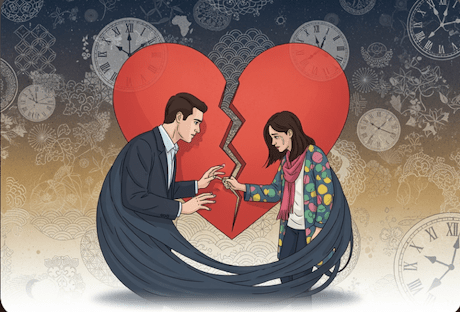
Possession vs. Obsession: How Control Can Ruin Relationships (And What Healthy Love Looks Like)

When we talk about love and relationships, words like “possessive” and “protective” often get tangled up. It’s easy to mistake one for the other—especially when emotions run high. But there’s a world of difference between caring for someone and trying to control them. That difference can make or break a relationship.

The Fine Line: When Does Protection Become Possession?

It’s natural to want to keep someone you love safe. But when “protection” becomes a reason to monitor, restrict, or dictate another person’s choices, it crosses into obsession and control. This shift is rarely obvious at first. It might look like:

– Constantly checking in (“Where are you? Who are you with?”)

– Deciding who your partner can talk to or spend time with

– Making all the decisions “for their own good”

– Feeling anxious or angry when they assert independence

While these actions are often justified as “caring,” they can leave the other person feeling suffocated, distrusted, and emotionally isolated.

Cultural Roots: Why Some Behaviors Are Normalized

Culture plays a huge role in shaping what we see as “normal” in relationships. In many societies, traditional gender roles have favored male dominance—sometimes subtly, sometimes overtly. Historically, men have been encouraged (or expected) to be the “head of the household,” the protector, and the decision-maker. In some cultures, this is still seen as a sign of strength and love.

But these norms can blur the line between protection and control. In patriarchal systems, controlling behaviors may be excused or even praised—while women are taught to accept or accommodate them. In contrast, cultures that value equality and autonomy tend to view such behaviors as red flags.

Examples Across Cultures:

– Western cultures: Increasingly value individual autonomy; controlling behavior is often called out as unhealthy.

– Traditional societies: May emphasize family honor, obedience, or male authority, making it harder to recognize or challenge controlling dynamics.

– Modern urban cultures: Younger generations are questioning old norms, but systemic biases can linger.

The Psychology of Male Dominance

From a psychological perspective, men raised in male-dominant systems may internalize beliefs that:

– Their role is to “lead” or “protect”—even if it means overriding their partner’s wishes.

– Jealousy or control is a sign of love.

– Vulnerability or equality is weakness.

These beliefs are reinforced by media, family, and sometimes even laws. Over time, they can create patterns of obsessive control, justified as “caring” or “protective.”

How to Recognize Obsessive Control (Even If You Think You’re Being Loving)

If you’re wondering whether your protective instincts have crossed the line, ask yourself:

– Do I trust my partner to make their own choices?

– Do I feel anxious or angry when they’re independent?

– Do I need to know where they are at all times?

– Do I make decisions for them, believing I “know best”?

– Would I be okay if they set the same rules for me?

If any of these questions make you uncomfortable, it might be time to reflect.

Moving from Control to Care: What Healthy Protection Looks Like

Healthy relationships are built on trust, respect, and mutual support. Here’s how to shift from control to genuine care:

– Communicate openly: Share your concerns without accusations or ultimatums.

– Respect boundaries: Allow your partner space to be themselves, even if it feels uncomfortable.

– Challenge old beliefs: Ask yourself where your ideas about “protection” come from. Are they rooted in love, or in fear?

– Seek support: Therapy or counseling (individually or as a couple) can help untangle deep-seated patterns.

Final Thoughts: Love Without Chains

True love isn’t about possession or obsession. It’s about partnership—where both people feel safe, respected, and free to grow. Cultural traditions and personal history shape how we love, but we always have the power to choose a healthier way forward.

If you’re struggling with these issues, know that you’re not alone. Seeking help is a sign of strength, not weakness. Love should lift us up, not hold us back.

Human Interest

Why Partners Feel Differently About Sex as They Age—And How to Stay Connected

As couples grow older together, it’s common for their feelings about sex to shift. Sometimes, one partner’s desire changes more than the others. This can feel confusing, even isolating—but you’re not alone, and there’s a lot of research (and real-life wisdom) to help make sense of it.

The Clinical Perspective

For Men:  

Testosterone levels naturally decline with age, which can lead to a gradual decrease in libido. Medical issues (like heart disease or diabetes), medications, or even stress can also play a role. Many men report that physical intimacy becomes less about performance and more about connection as they age.

For Women:  

Women may experience hormonal changes due to menopause, leading to symptoms like vaginal dryness, discomfort, or a drop in desire. Emotional factors—like self-image, life transitions, or caregiving stress—can also impact how women feel about sex. But for many, intimacy grows richer and more meaningful, even if the frequency changes.

Clinical Proof: 

A 2020 study in the Journal of Sex Research found that while sexual frequency often declines with age, emotional satisfaction and intimacy can actually increase for many couples. Open communication and empathy were key predictors of satisfaction, regardless of physical changes.

The Human Side

Let’s be honest: aging brings a lot of changes, and not all of them are easy. But it also brings wisdom, patience, and a deeper appreciation for true connection. Sometimes, what partners need most is simply to feel seen and accepted as they are in this chapter of life.

From a Male Perspective: 

It’s normal to feel vulnerable if your body isn’t cooperating the way it used to. You might worry about disappointing your partner or losing a part of your identity. Remember, intimacy is about more than just sex—it’s about feeling close, valued, and respected.

From a Female Perspective: 

You might feel frustrated by physical changes or a shifting sense of desire. Or maybe, for the first time, you feel free to express what you really want. It’s okay to grieve what’s changed and celebrate what’s new.

What Can Couples Do?

– Talk Openly:  

  Start with honesty and kindness. “I’ve noticed some changes, and I want us to talk about how we’re both feeling.”

– Be Curious, Not Critical: 

  Ask questions, listen deeply, and avoid assigning blame.

– Explore Together:  

  Try new ways of being close—touch, massage, cuddling, or non-sexual intimacy.

– Seek Support:  

  A therapist or doctor can help with physical or emotional challenges.

– Stay Playful: 

  Laughter, flirting, and shared adventures can reignite connection.

Communicating Your Needs

– Use “I” statements: “I miss feeling close to you,” or “I’d love to try something new together.”

– Schedule regular check-ins—these don’t have to be heavy, just honest and caring.

– Remember, your needs matter—and so do your partner’s.

Aging changes a lot, but it doesn’t have to mean losing intimacy or connection. With understanding, empathy, and a willingness to adapt, couples can find new ways to love—and be loved—through every season of life.

Human Interest

Retrospection of July 4th – Gratefulness

This weekend, my heart is full. My adult children—independent, capable, and busy with their own lives—are home for a few precious days. As I sit here reflecting, I’m swept up in a wave of gratitude and nostalgia.

When Scott and I were raising Beth and Jake, it was just the four of us, moving from place to place, creating our own little world wherever we landed. Without extended family nearby, we became each other’s everything. Every adventure, every challenge, every laugh and tear, we faced together.

Ten years ago, our family grew in ways I could never have imagined. Welcoming Brandon, Sami, and Laura (and sometimes their brother Brad & his kids Evie and Steven) into our home was a leap of faith and love. What moved me most was how quickly Beth and Jake—then college-aged—rushed home to help. They made sure their new siblings felt safe, loved, and truly part of a family. Their compassion and support inspired me then, and it still does today.

This weekend, all of us—plus two Brittany pups and a black lab—piled onto the couches, wrapped in cozy blankets, watching movies as fireworks lit up the night outside. For a fleeting moment, time seemed to stand still. Love filled the room, and I felt a tear slip down my cheek—grateful for this rare pause in our busy lives.

The Fourth of July always brings memories of my parents’ anniversary, and this year, I felt their presence even more keenly. Losing my mom a few years ago reminded me just how short and precious life is. Sitting here, surrounded by family, I’m reminded that these simple, shared moments are the greatest blessings of all.

Human Interest

Unbreakable: What I’ve Learned About Stress, Strength, and Moving Forward

There are moments in life when stress doesn’t just tap you on the shoulder—it knocks you flat. Recently, I found myself in one of those moments. The pressure built up so intensely that my body waved a white flag: shingles, right inside my eyes. The headaches, exhaustion, and relentless fatigue were unlike anything I’d known. For someone who has always prided herself on grit and stamina, it was a humbling wake-up call.

When I was younger, I wore stress like a badge of honor—thriving on the adrenaline, juggling a million things, always pushing for more. But as the years have added up, so has the cost of that constant hustle. This older body? It doesn’t bounce back the way it used to. Every ache, every bit of fatigue, is a reminder that I’m not invincible.

But here’s what’s unshakable: my spirit.  

I am tenacious to the core. Even when my body is tired, my will is fierce. I believe—truly—that the mind can overcome anything life throws our way. I refuse to let a diagnosis, a setback, or a tough season define me. Instead, I choose to show up. I show up with purpose, with intent, and with the determination to do what needs to be done—no matter how hard it feels.

That’s what courage looks like.  

It isn’t always flashy or loud. Sometimes, it’s just putting one foot in front of the other when you’d rather stay in bed. It’s making the call, writing the email, or meeting the client when your energy is running on empty. It’s refusing to let fear or pain dictate your story.

Resilience isn’t about never falling down—it’s about how many times you get back up.  

So even as my cortisol levels wreak havoc and my body begs for rest, I keep moving forward. One deliberate step at a time. Because that’s who I am—unstoppable.

If you’re facing your own season of stress or struggle, know this:  

You are stronger than you think. Your spirit is tougher than any challenge. And even when life tries to slow you down, you have the power to keep going.

Here’s to every one of us who keeps showing up, no matter what.  

We are unbreakable.

Human Interest

Let the Sun in – Refresh the Soul

Not every day will unfurl in sunlight;

some will ask more of your patience,

your resolve,

your soul.

But if you pause—

let the noise settle,

draw a deep breath,

and turn your gaze toward gratitude,

you’ll begin to see the quiet blessings,

threaded softly through the fabric of your day.

Even when storms gather,

when the world feels weighty and wild,

there remains,

however faint,

a glimmer of something to be thankful for.

On these harder days,

may we lean in a little closer,

stay present,

and truly see the gifts

we so often let slip by.

Gratitude becomes a lantern,

guiding us with gentle wisdom,

reminding us that even in darkness,

there is always light to be found

for those willing to seek it.

Human Interest

Navigating Adversity: How Men and Women Approach Life’s Challenges Differently

Adversity is a universal part of life, but how we respond to it can be shaped by everything from upbringing and cultural norms to biology and social support. Let’s explore how men and women typically approach difficult situations, the underlying psychology, and why community—especially for women—is so crucial for resilience.

A Man’s Perspective: Facing Adversity

When confronted with adversity, men often lean on problem-solving and action-oriented strategies. Psychologists call this a “fight-or-flight” response, rooted in both evolutionary biology and social conditioning. Men may feel compelled to “fix” the problem, seek solutions, or sometimes withdraw to process emotions privately.

Typical Male Responses:
– Problem-Solving: Men often try to identify practical solutions and take direct action. This approach is linked to a sense of control and competence.  

– Emotional Suppression: Research shows men are more likely to suppress emotions or avoid discussing feelings, partly due to social norms around masculinity (Mahalik et al., 2003).

– Independence: Men may resist seeking help, valuing self-reliance and autonomy, sometimes to their own detriment (Addis & Mahalik, 2003).

Why This Happens:  
Societal expectations often reward men for stoicism and self-sufficiency. From a young age, boys are taught to “tough it out,” which can make vulnerability feel risky or unmanly. This doesn’t mean men don’t feel deeply; rather, they’re less likely to express distress outwardly or ask for support.

Strengths and Pitfalls:
While this approach can lead to decisive action and resilience, it may also result in isolation, unaddressed stress, or even health issues if emotions are bottled up for too long (Courtenay, 2000).

A Woman’s Perspective: Facing Adversity

Women, by contrast, are more likely to respond to adversity through connection and emotional expression. This is often described as the “tend-and-befriend” response—a term coined by psychologist Shelley Taylor. Women are more likely to seek social support, talk about their feelings, and build networks of care.

Typical Female Responses:
– Seeking Support: Women are more inclined to reach out to friends, family, or support groups when facing difficulties (Taylor et al., 2000).
– Emotional Expression: Women often process adversity by expressing and sharing their emotions, which can promote healing and perspective.
– Collaboration: Women may approach problems collaboratively, brainstorming solutions with others and valuing consensus.

Why This Happens:  
Biologically, the hormone oxytocin—released in response to stress—promotes social bonding and affiliative behaviors, particularly in women (Taylor et al., 2000). Culturally, girls are often encouraged to talk about their feelings and seek support, reinforcing these patterns into adulthood.

Strengths and Pitfalls: 
This approach can foster resilience, reduce feelings of isolation, and provide practical help. However, women may sometimes prioritize others’ needs above their own or struggle if they lack a supportive network.

The Importance of a “Tribe” for Women

The concept of having a “tribe”—a close-knit circle of friends or supporters—is especially vital for women. Research shows that strong social connections are one of the greatest predictors of resilience and well-being, particularly for women navigating adversity (Umberson & Montez, 2010).

Why a Tribe Matters:
– Emotional Support: Sharing struggles with trusted confidantes can reduce stress, increase feelings of belonging, and buffer against depression.
– Practical Help: Friends can offer advice, resources, or hands-on assistance during tough times.
– Identity and Validation: A tribe affirms a woman’s experiences, helping her feel seen and understood.

Science Backs It Up:
Women with strong social networks have better mental and physical health outcomes, recover more quickly from setbacks, and experience lower rates of anxiety and depression (Taylor et al., 2000; Umberson & Montez, 2010).

In Summary

While everyone’s experience is unique, men often default to action and independence, while women gravitate toward connection and collaboration. Both approaches have strengths and limitations, but for women, having a supportive “tribe” is especially powerful for weathering adversity. Recognizing and honoring these differences can help us build more supportive communities—and remind us that, in challenging times, we all benefit from a little help from our friends.

Sources

– Addis, M. E., & Mahalik, J. R. (2003). Men, masculinity, and the contexts of help seeking. *American Psychologist*, 58(1), 5-14.
– Courtenay, W. H. (2000). Constructions of masculinity and their influence on men’s well-being: a theory of gender and health. *Social Science & Medicine*, 50(10), 1385-1401.
– Mahalik, J. R., et al. (2003). Masculinity and men’s health behaviors: The moderating role of gender role conflict. *Psychology of Men & Masculinity*, 4(1), 74.
– Taylor, S. E., et al. (2000). Biobehavioral responses to stress in females: Tend-and-befriend, not fight-or-flight. *Psychological Review*, 107(3), 411-429.
– Umberson, D., & Montez, J. K. (2010). Social relationships and health: A flashpoint for health policy. *Journal of Health and Social Behavior*, 51(1_suppl), S54-S66.

Human Interest

Embracing Change: Aging, Beauty, and the Real Conversation We Need

Cameron Diaz once captured a powerful truth, saying (and I’m paraphrasing here): “Why would I want surgery to change my face? It’s my face—I want to see it every morning.” That sentiment really hits home, especially as we all watch the years leave their mark.

Let’s be honest: aging is inevitable. Our faces change whether we like it or not. Jowls drop, bags form under our eyes, necks ripple, eyelids get heavier, and sometimes our brows settle into that infamous “resting” expression that hardly feels like us. The bright, youthful face we once knew slowly shifts, and when we run into old friends, their surprised looks remind us just how much time has passed—sometimes not as gracefully as we’d hoped.

And it’s not just our faces. Unless you’re hitting the gym religiously post-childbirth, most of us have a midsection that’s grown beyond what we swore we’d allow. Skin issues pop up, health problems creep in, and our hands—once strong and elegant—start to resemble a roadmap. If you’re a boomer, you might be all too familiar with hyperpigmentation taking over once-supple skin.

So when Cameron says to just let it come, maybe she’s onto something. Maybe we’d all be happier if we could accept these changes. But let’s be real—the billion-dollar beauty industry thrives on our insecurities. From Botox to deep-plane facelifts to procedures we never imagined, there’s always a doctor ready to cash in on our desire to turn back the clock.

It’s tough to resist, especially when celebrities—who aren’t always honest about what they’ve had done—tell us to “age naturally” while quietly using every tool in the kit. Then, they turn around and shame others whose cosmetic procedures didn’t go as planned. It’s a maddening cycle, putting so much value on our appearance when, truthfully, what our world needs most is a character overhaul.

Maybe it’s time to shift the conversation. Instead of focusing on fighting every wrinkle, let’s talk about what really matters: kindness, resilience, and the stories that make us who we are. After all, character never goes out of style.

Human Interest

Confessions Before Forgiveness – A Real Story, Real Pain, Received & Given.

I settled into a beautiful therapist’s room—soft light, a welcoming couch, a sturdy chair, a credenza adorned with thriving succulents. This time, my therapist was a man. He sank into his reclining chair and, after a moment’s pause, asked gently, “What brings you here?”

I answered honestly: “I can’t seem to feel joy.”

As I unraveled the tangled threads of my life, he listened quietly. Then he asked one question that stopped me cold: “When was the first time you felt love from a man?”

I searched my memory and finally replied, “When I was 27. I had hurt someone deeply—taken his money, mirrored the ways men had treated me, and lied through our entire friendship. Yet, when I confessed, he looked at me with a tenderness I had never seen. ‘I love you,’ he said, ‘but I can’t have you in my life. You’re toxic.’ It was in that moment I realized the toxicity was mine to own. But it was his eyes—filled with pain and love—that pierced me. For the first time, I understood men could love, too.”

The therapist looked at me and said, “You do realize I’m a man, don’t you?” I nodded, a little uncertain. He continued, “You do realize that you hate men, don’t you?”

I sat in silence, the weight of his words settling over me. Here was someone trained to see beneath the surface, naming truths I hadn’t dared utter. Forgiveness—for myself, for others—would take years. The wounds inflicted by men’s actions, the demands, oppression, domination, slander, and judgment, still haunted me. I worked tirelessly to free myself from those patterns, but it unsettled me how often men around me failed to see women as equals—in friendship, in marriage, in sisterhood, in motherhood. I found myself asking: Why does this systemic entitlement, this pattern of male oppression, persist?

The roots of systemic male entitlement and oppression run deep, woven into the fabric of society over centuries. Historically, patriarchal systems have shaped laws, customs, and cultural narratives, positioning men as default leaders and decision-makers, while relegating women to supporting roles. These patterns are perpetuated through:

– Socialization: From a young age, boys and girls are taught different expectations—boys to lead, girls to support. This is reinforced in schools, media, and even family dynamics.

– Institutional Structures: Many institutions (legal, religious, economic) have long favored men, making it difficult for women to gain equal footing.

– Cultural Narratives: Stories, myths, and media often reinforce male dominance and female subservience, subtly shaping beliefs about what is “normal” or “natural.”

– Power Dynamics: Those in power are often reluctant to relinquish it, consciously or unconsciously resisting changes that would create true equality.

Change is happening, but slowly. It requires not just policy shifts, but deep self-reflection—by individuals and by society as a whole. It’s about unlearning old narratives, listening to one another’s pain, and intentionally building relationships rooted in respect and equality.

Questions a Man Can Ask Himself

1. How do I respond when a woman sets a boundary or disagrees with me?

2. Do I listen to understand, or do I listen to respond or defend myself?

3. Am I aware of the ways my words or actions might make a woman feel unheard or dismissed?

4. Have I ever assumed I know what’s best for a woman, rather than asking her opinion or respecting her choices?

5. When was the last time I asked a woman about her experiences with gender bias or inequality—and really listened?

6. Do I expect praise or special treatment for doing things considered “basic” in a partnership or friendship?

7. Am I comfortable showing vulnerability and admitting when I’m wrong, especially to women?

8. Do I ever catch myself interrupting, talking over, or minimizing a woman’s perspective?

9. How do I react when a woman succeeds or takes the lead?

10. Do I seek out women’s expertise and leadership in my professional and personal life?

Courses of Action to Reframe Thinking & Build Connection

– Practice Active Listening:

  Focus on listening without planning your response. Let her finish her thoughts and ask clarifying questions before reacting.

– Embrace Vulnerability:  

  Share your own feelings and uncertainties. Expressing vulnerability builds trust and shows you value emotional depth.

– Educate Yourself:  

  Read books, articles, or take courses about gender equality, emotional intelligence, and healthy communication. (Brené Brown’s work, “The Will to Change” by bell hooks, and Esther Perel’s talks are great starting points.)

– Challenge Assumptions: 

  Notice when you’re making assumptions about what women want, need, or feel. Instead, ask open-ended questions and invite her perspective.

– Support and Celebrate:  

  Uplift women’s achievements and ideas, both privately and publicly. Step back when appropriate and let women lead.

– Reflect on Power Dynamics:  

  Consider how your actions or words might reinforce old power structures. Aim to create space for equality and mutual respect.

– Apologize and Adjust:  

  If you realize you’ve messed up, own it without defensiveness. Apologize sincerely and ask how you can do better.

– Seek Feedback:

  Ask women you trust for honest feedback about how you show up in relationships and be open to constructive criticism.

– Model Respect:

  Speak up if you hear other men making derogatory or dismissive comments about women, even when it’s uncomfortable.

– Invest in Growth:

  Commit to ongoing self-reflection and growth. Growth is a journey, not a destination.

The point is, it’s important to learn, grow and improve with women you are in a relationship with. In the same direction. It’s important to be positive. It’s important to encourage. It’s important to affirm, because if you don’t do all of these things, you could find yourself very alone.

Human Interest

The Evolution of Friendship: Building Connections that Last

Copyright 2024 – Rebecca Nietert 

Friendship is a journey that unfolds in stages, each one contributing to the rich tapestry of our social lives. Here are five distinct stages of friendship that reflect different levels of connection and intimacy:

1. Acquaintances: These are the individuals we may cross paths with a handful of times, perhaps at a social event or in a shared space. While you might recognize them or exchange pleasantries, there’s no deeper bond yet. You might find yourself intrigued, wondering about their story, or simply content to greet them when your paths cross.

2. Casual Friends: This stage often includes coworkers, classmates, or familiar faces from gatherings. You enjoy their company in a laid-back setting, sharing laughs and light-hearted conversations. However, you wouldn’t prioritize planning to spend time together outside of those casual encounters. They add enjoyment to your life but don’t require the deeper investment of time or emotion.

3. Close Friends: As your connection deepens, you find yourself making special efforts to see these friends and maintain regular communication. These are the people with whom you share experiences, valuable moments, and even the occasional vulnerability. You can count on them for understanding and support, creating a bond grounded in trust and shared memories.

4. Intimate Friends: At the pinnacle of friendship lies the intimate connection. These individuals become your confidants — the ones with whom you feel safe sharing your innermost thoughts and secrets. You trust them explicitly and know they’ll stand by your side through thick and thin. In this space, the friendship transcends casual interactions, becoming a vital part of your life journey.

5. Lifelong Friends: This stage represents relationships that weather the test of time. These friends are essentially family, and your lives are intricately intertwined. You celebrate milestones together, provide unwavering support, and experience the ebbs and flows of life hand in hand. This is the culmination of all previous stages, showcasing a bond that is both deep and enduring.

Throughout our lives, friendships evolve, bringing unique flavors to our existence. Each stage of friendship serves as a reminder of how essential human connection is to our well-being. Yet, it’s important to understand that certain pitfalls can hinder these cherished relationships. Often, it’s the lack of shared experiences or mismatched expectations that lead to misunderstandings and heartache.

Here are five common mistakes that can jeopardize a friendship:

1. Expecting a Friend to Be Everything: It’s easy to think that one person should fulfill all our emotional needs, but this expectation can put an immense strain on any friendship.

2. Bringing Baggage to the Table: We all walk into friendships with our own histories and experiences. Forgetting this can lead to misunderstandings and a lack of compassion.

3. Setting Unrealistic Expectations: Friendships thrive on authenticity, but expecting perfection can create unnecessary tension and disappointment.

4. Staying in the “Fine” Zone: Skimming the surface and avoiding deeper conversations limits the potential for growth and intimacy in a friendship.

5. Worrying About Perception: When we focus on how our friends perceive us, we risk hiding our true selves. Trust is built on authenticity, and being open fosters a deeper bond.

Friendship should be a sanctuary of comfort—a space that feels unconditional, tolerant, and above all, loving. It should embrace the essence of a warm, well-worn pair of slippers—familiar and reassuring. By acknowledging these common traps, we can nurture our friendships into something truly extraordinary, allowing them to flourish through every stage of life.