Human Interest

When Others Judge – Holding it Together

These past weeks have been a DOOZY for me. While I used to be a bad ass during stressful situations, I have come to learn with experience that loss, real loss, devastating – change – your – life -loss can happen in a moment. Sometimes I think I am one more change away from losing my mind. The older I get the more the fear of loss is real. There’s been a great deal of trauma involved, and that lends itself to more anxiety. Faith. I must have it. God’s got this I tell myself. Naturally, I must learn to believe that.

People often get mad when they’re afraid because anger can be a defense mechanism to cope with the uncomfortable feelings of fear and a sense of vulnerability. If trauma has taught them they cannot trust an unknown outcome, this can be very scary for the people on the other side of that fear. Both fear and anger trigger the “fight-or-flight” response, releasing stress hormones and preparing the body for action. When the nervous system is activated by fear, an individual may unconsciously choose to express this heightened energy as anger, a way to regain a sense of control and protect themselves from a perceived threat.

Anxiety and anger activate the body’s fight-or-flight (stress) response, which triggers the hypothalamic-pituitary-adrenal (HPA) axis to release cortisol, the primary stress hormone. Specifically, the hypothalamus releases corticotropin-releasing hormone (CRH), which signals the pituitary gland to release adrenocorticotropic hormone (ACTH). This, in turn, prompts the adrenal glands to produce and release cortisol into the bloodstream, providing energy to deal with the perceived threat.

I am not sure what the answer is to make sure people around me feel loved. If I lose my shit, something awful has just happened. I am in the thick of cortisol jet streaming throughout my body, and I am one comment away from either losing my mind or walking away because the emotion is too great for me. Horrible but true.

Breathe Beck. Just Breathe.

Human Interest

Embracing Change: Aging, Beauty, and the Real Conversation We Need

Cameron Diaz once captured a powerful truth, saying (and I’m paraphrasing here): “Why would I want surgery to change my face? It’s my face—I want to see it every morning.” That sentiment really hits home, especially as we all watch the years leave their mark.

Let’s be honest: aging is inevitable. Our faces change whether we like it or not. Jowls drop, bags form under our eyes, necks ripple, eyelids get heavier, and sometimes our brows settle into that infamous “resting” expression that hardly feels like us. The bright, youthful face we once knew slowly shifts, and when we run into old friends, their surprised looks remind us just how much time has passed—sometimes not as gracefully as we’d hoped.

And it’s not just our faces. Unless you’re hitting the gym religiously post-childbirth, most of us have a midsection that’s grown beyond what we swore we’d allow. Skin issues pop up, health problems creep in, and our hands—once strong and elegant—start to resemble a roadmap. If you’re a boomer, you might be all too familiar with hyperpigmentation taking over once-supple skin.

So when Cameron says to just let it come, maybe she’s onto something. Maybe we’d all be happier if we could accept these changes. But let’s be real—the billion-dollar beauty industry thrives on our insecurities. From Botox to deep-plane facelifts to procedures we never imagined, there’s always a doctor ready to cash in on our desire to turn back the clock.

It’s tough to resist, especially when celebrities—who aren’t always honest about what they’ve had done—tell us to “age naturally” while quietly using every tool in the kit. Then, they turn around and shame others whose cosmetic procedures didn’t go as planned. It’s a maddening cycle, putting so much value on our appearance when, truthfully, what our world needs most is a character overhaul.

Maybe it’s time to shift the conversation. Instead of focusing on fighting every wrinkle, let’s talk about what really matters: kindness, resilience, and the stories that make us who we are. After all, character never goes out of style.

Journal Entry

Chaos, Coffee, and Canines: A Morning on the Road

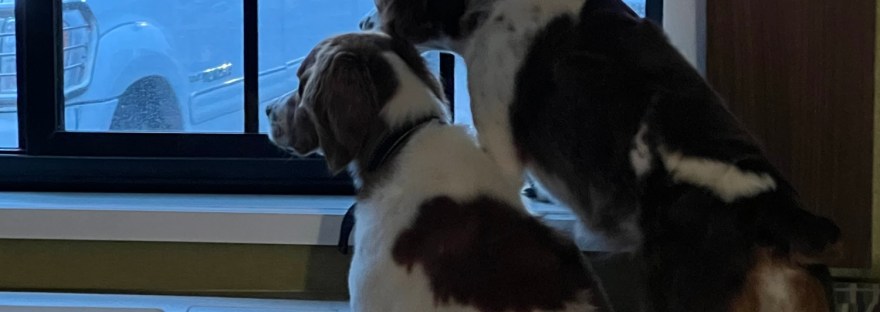
Traveling with dogs should come with a disclaimer: “Warning—may cause extreme chaos, laughter, and moments of pure panic.” Take this morning, for example. Picture it: 5:15 AM, a pitch-black hotel room, and two high-octane pups staring at me like I’m their personal sunrise. Thanks, time zone switch—you really know how to keep a girl on her toes.

I’d barely opened my eyes before both dogs were vibrating with excitement, ready to launch into their own version of the Indy 500 around our 500-square-foot hotel room. I’m tiptoeing around, trying to keep things quiet, but every paw thump and tail wag echoes like we’re rehearsing for Stomp. The suspense? Will we wake up the entire floor before sunrise? Odds are not in my favor.

Once I’m wrangled into my clothes, it’s time for the next challenge: the great outdoors. Except, plot twist, it’s been raining so hard I’m half-expecting to see a pair of giraffes lining up outside. The parking lot has become a small lake, and I’m wading through puddles like a contestant on a reality show—Survivor: Hotel Edition—just to reach the grass.

The dogs, of course, are living their best lives, zooming across the soggy grass with reckless abandon. I’m just trying to keep them from breaking the sound barrier or the property line. Photos are snapped, business is done, and I’m thinking, “Surely, the worst is over.” (Spoiler: it’s not.)

Time to head back in. Remi, my youngest, launches at the door like he’s auditioning for America’s Got Talent. Dakota, the elder stateswoman, tries to beat me inside—only to get her toe caught under the door. Suddenly, the scene turns into a canine opera: Dakota screeching, leashes flying, and me—somewhere between tears and laughter—trying to keep both dogs from reenacting a prison break.

At one point, Remi is locked inside, Dakota’s outside wailing, and I’m juggling leashes, guilt, and the creeping suspicion that I’m about to be evicted. I manage to calm Dakota, get everyone back inside, and—miraculously—no lasting damage. Remi, ever the good boy, is still tethered and waiting patiently. The dogs are loaded into the car, and I finally get a moment to chase down the holy grail: coffee. All this before my first cup. Send help.

Meanwhile, my phone is buzzing with texts from my husband and daughter, worried about my eye issue (which, by the way, is still a thing). I’m grateful for the love, but how do you even begin to explain this dog-fueled circus before breakfast?

And, of course, I still haven’t finished the contract I promised to send last night. I was so exhausted when we checked in at 11 PM that I collapsed face-first onto the bed. Now, I’m staring down a four hour drive to the airport to pick up the hubby and then another two-hour drive, running on empty, praying I can hotspot my laptop and work while my husband drives us home. 

But hey—dogs are fine, I survived, and maybe, just maybe, I’ll get that coffee before the next episode of “Traveling with Dogs: Chaos Unleashed.” 

It’s not even 8 o’clock a.m. yet!

Have you ever had a travel morning like this? Share your funniest (or most suspenseful) pet travel stories below—bonus points if they involve coffee deprivation!

Inspiration

Breaking the Mold: A Woman-Owned, Veteran-Led Approach to Home Watch in North Dallas

When you think of home services—especially those involving security, property inspections, and emergency response—most people picture a man showing up with a clipboard. It’s a stereotype that’s been around for decades, and it’s still surprisingly common. But at LoneStar Home Watch, we’re proud to do things differently.

Challenging Expectations in Home Services

As the owner of LoneStar Home Watch, I’ve seen firsthand that the world of property care and home inspection is still very much a “boys’ club.” Many clients—even those who support women in business—are initially surprised when they realize the person inspecting their home is a woman. Some even admit they’d assumed or preferred a man for the job, simply because that’s what they’re used to.

But here’s the thing: professionalism, attention to detail, and trustworthiness aren’t defined by gender. They’re built through training, certification, and a genuine commitment to client care. I am a certified Home Watch professional, and LoneStar Home Watch is only one of two accredited and certified companies in the Dallas metroplex. Our team brings expertise, reliability, and a personal touch to every vidual inspection—qualities that matter far more than outdated expectations.

Why Representation Matters

Having a woman at the helm of a home services business isn’t just about breaking industry norms—it’s about bringing a fresh perspective to client care. Women often bring a unique attention to detail, empathy, and communication style that helps build trust with our clients. I take pride in being approachable, thorough, and always available to answer questions or address concerns.

Our clients benefit from a service that’s not only professional, but also personal. We understand that letting someone into your unoccupied home is a big deal. That’s why we prioritize transparency, digital reporting with photos, and immediate communication—so you always know what’s happening with your property.

Proudly Veteran-Owned

LoneStar Home Watch isn’t just woman-owned—it’s also veteran-owned. Scott, my husband and business partner, is a proud veteran. His experience instilled in us both a sense of duty, discipline, and commitment to service. These values are at the heart of how we operate: with integrity, respect, and a mission-driven approach to protecting your property.

Setting the Standard for Home Watch Services

We know that trust is earned, not given. That’s why we go the extra mile to be A+ Accredited by the BBB, bonded, insured, and certified through NHWA. Our proprietary software ensures every inspection is confidentialy documented, and any issues are reported immediately—with photos and recommended actions.

We’re here to show that the best person for the job isn’t determined by gender, but by dedication, training, and a true passion for service. At LoneStar Home Watch, you get the best of both worlds: the expertise of a certified professional, and the values of a veteran-owned, family-run business.

Ready for peace of mind?
Contact us today for a flat-fee estimate and experience the LoneStar difference—where professionalism, trust, and care come standard, no matter who’s holding the clipboard.

Contact us today: 972-214-4720
Info@lonestrarwatch.com

Inspiration

Too Big for My Britches: Rethinking the Rules We Live By

In the six decades I’ve spent on this earth, I’ve heard the phrase “you’re too big for your britches” more times than I can count. It’s a phrase that, at its core, is meant to keep people—especially women—quiet, compliant, and small. It’s a way of saying, “Don’t draw too much attention. Don’t challenge the status quo. Don’t make anyone uncomfortable.”

The rules that come with it are familiar:  

– Don’t laugh too loud.  

– Don’t cry too hard.  

– Don’t speak up unless spoken to.  

– Forgive, forget, and never hold anyone accountable for how they make you feel.  

– Above all, don’t make waves.

When these unspoken rules didn’t keep me in line, I faced other consequences—distance, abandonment, or even outright hostility. The message was clear: tow the line, or else. Your value is only as much as your willingness to comply.

But here’s the thing: I’m tired of it. And I know I’m not alone.

Why Do We Accept This?

Why do we accept a world where one person’s comfort is valued above another’s authenticity? Why is it considered noble to shrink ourselves so others don’t have to face their own discomfort?

It’s easy to internalize these expectations, to believe that speaking up is the problem, that our feelings are “baggage,” that our voices are too much. But what if the real issue isn’t that we’re “too big for our britches,” but that the britches were never made to fit us in the first place?

The Courage to Challenge

It takes courage to question the rules you’ve been handed. It takes even more to refuse to play by them. I’m learning that honoring my own voice isn’t an act of rebellion—it’s an act of self-respect. And it’s something we owe not just to ourselves, but to those who come after us.

Imagine what would happen if we all stopped bowing to the opinions of those who want us small. What if we held space for each other’s voices, even when they challenge us? What if we measured our worth not by how well we comply, but by how authentically we show up in the world?

An Invitation to Reflect

This isn’t just my story—it’s a challenge to all of us. Next time you find yourself tempted to silence someone, or to shrink yourself for someone else’s comfort, pause and ask:  

– Whose rules am I following?  

– Who benefits from my silence or my compliance?  

– What would it look like to honor my own truth—and allow others to do the same?

Let’s be the generation that outgrows those too-small britches. Let’s encourage each other to take up space, speak up, and live fully—no matter who it makes uncomfortable.

Because real progress doesn’t happen when we all stay quiet. It happens when we dare to be heard. If that “triggers“ some, then so be it. Maybe they just need to look in the mirror. Maybe they’re not self-aware enough to know they’re part of the problem.

Inspiration

The Sunburn Catastrophe: A Weekend in the Big Easy

Ah, New Orleans for Easter Sunday. The land of jazz, beignets, and apparently, never-ending blisters. Never ending emergency sirens. Never ending abusively loud noise. Let me walk you through (pun intended) what was supposed to be a relaxing weekend getaway but quickly turned into a comedy of errors—complete with sunburns, stale bread, and the kind of exhaustion that makes you question every life choice.

Thursday Night: The Calm Before the Chaos

We rolled into town around 8 or 9 PM, starving but too tired to care. The hotel bed won the battle over dinner, and we called it a night. Little did I know, this would be the last moment of peace for the next 72 hours.

Friday: Fishing, Friendship, and Fried Knees

The alarm went off at 5:00 AM because apparently, vacations are for sleep deprivation. We headed out for a fishing trip, which was lovely… for the first five minutes. I spent hours bonding with Whitney, Sheldon’s new wife, while getting smacked around by the wind like it owed me money. Meanwhile, the guys lounged under the awning, oblivious to our slow descent into sunburned madness. By the end of the trip, my knees were scorched, my back ached from the boat’s relentless rocking, and all I wanted was a shower.  

But wait, there’s more! Dinner at Mr. B’s was supposed to be the highlight of the day. Instead, it was a symphony of stale bread, disappointing entrees, and an impromptu nine-block hike in heels because Scott apparently moonlights as a tour guide. By the time we got back to the hotel, I was blistered, sunburned, and officially over it.

Saturday: Lettuce, Leather Bars, and Bathroom Emergencies

Saturday started with a lovely visit to see Dave and Debbie—honestly, the highlight of the weekend. But then it was back to the hotel to prepare for another round of walking and dining. Dinner with Wayne and Cindy was fun, but the wedge salad? Let’s just say it was more “lettuce” than “salad.”  

And then came Bourbon Street. Oh, Bourbon Street. Picture this: me, fighting off a fish-induced stomach rebellion, being dragged from bar to bar while dreaming of a bathroom. The Montleone Bar finally gave me the relief I needed (bless their plumbing), and I made my escape back to the hotel, leaving Bourbon Street to the younger, more resilient crowd.

Sunday: Crawfish and Crawling to the Finish Line

Sunday brought a crawfish boil at Sheldon’s. The food was good, the company was better, but the sheer exhaustion of making small talk with strangers left me longing for my couch. By the time we hit the airport, my blisters had blisters, and my knees were still radiating heat like a bad sunlamp experiment.

The Verdict 

Sure, there were some lovely moments—catching up with friends, the crawfish boil, and the occasional laugh—but overall? I think I’ve outgrown the whole “city party” thing. Your dad’s not thrilled with me because he thinks we turned in at 8 PM every night (spoiler: we didn’t), but honestly, I’m okay with that. I came back sunburned, blistered, and with a newfound appreciation for my own bed.

So, New Orleans, thanks for the memories—and the blisters. Next time, I think I’ll just stay home.  

Moral of the Story: 

Sometimes, the best vacations are the ones where you don’t leave your zip code. And always, *always* pack sunscreen.

Inspiration

Finding Light in Life’s Winter Season: A Journey from Exhaustion to Hope

We’ve all been there – that bone-deep exhaustion that seems to seep into every corner of our lives. The endless cycle of work, family responsibilities, and trying to be everything to everyone while our own cup runs dry. It’s more than just being tired; it’s a soul-deep weariness that makes even our dreams feel heavy.

But here’s the thing about winter – it doesn’t last forever.

The Hidden Strength in Acknowledging Our Struggles

There’s incredible bravery in admitting when we’re tired, when the weight of unfulfilled wishes – that new car, that dream house, that little luxury we keep denying ourselves – becomes almost too much to bear. This acknowledgment isn’t weakness; it’s the first step toward renewal.

The Psychology of Resilience

Research shows that periods of exhaustion and feeling overwhelmed are actually natural parts of our growth cycle. Just as nature needs winter to prepare for spring’s renewal, our moments of depletion often precede our greatest breakthroughs. When we feel most drained is precisely when we’re building the strength for our next chapter.

Finding Your Light Switch

Consider this: What if your exhaustion isn’t just fatigue, but your soul’s way of demanding a reset? Here are some gentle steps to begin refilling your cup:

1. Embrace the Power of Micro-Joys: Find delight in small victories – those groceries you managed to buy, the warm bed you sleep in, the morning coffee that greets you.

2. Practice Gentle Boundaries: It’s okay to say no. It’s okay to rest. It’s okay to be unavailable.

3. Reframe Your Story: Instead of focusing on what you can’t afford or achieve yet, celebrate how far you’ve come and the resilience that got you here.

The Dawn After Darkness

Remember, feeling depleted doesn’t mean you’re failing – it means you’re human. And just like every winter eventually yields to spring, this season of exhaustion will give way to renewal. Your dreams aren’t pipe dreams; they’re seeds waiting for the right season to bloom.

Moving Forward

If you’re feeling overwhelmed, know that you’re not alone. Consider reaching out to professional support through resources like [BetterHelp](https://www.betterhelp.com) or [Psychology Today’s Therapist Finder](https://www.psychologytoday.com/us/therapists). Sometimes, having someone to talk to can be the first ray of light breaking through the clouds.

Your Invitation to Hope

Today, I invite you to be gentle with yourself. Acknowledge your exhaustion, but don’t let it define your story. You’re not just surviving; you’re gathering strength for your next chapter. The dreams that feel out of reach today are tomorrow’s reality in the making.

Remember: The same force that pushes flowers through concrete lives within you. Your winter season is just preparing you for an extraordinary spring.

Inspiration

Silent Storms: Recognizing Emotional Distance in Your Relationship

Copyright 2025 Rebecca Nietert

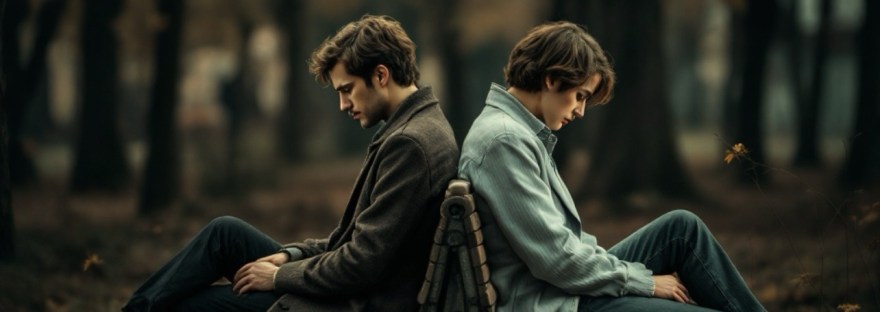
Have you ever felt alone while sitting right next to your partner? As a home watch professional, I’ve learned that maintaining anything valuable – whether it’s a home or a relationship – requires attention to subtle warning signs. Today, I want to share some insights about a hidden relationship challenge that many couples face: emotional neglect.

Understanding Emotional Distance

Emotional neglect isn’t about what’s happening in your relationship – it’s about what’s not happening. Like a slowly developing water leak behind a wall, it can cause damage long before you notice visible signs. Here are key indicators that emotional distance might be creeping into your relationship:

1. Communication Misalignment

When you frequently misinterpret each other’s feelings or intentions, it’s like speaking different emotional languages. This disconnect can create a growing gap between partners.

2. Walking on Eggshells

If you’re constantly avoiding difficult conversations to keep the peace, you’re building walls instead of bridges. Healthy relationships thrive on open communication, even when it’s challenging.

3. Surface-Level Connection

When conversations rarely dive deeper than daily schedules or household logistics, it’s a sign that emotional intimacy might be lacking. Meaningful relationships need both practical and emotional connections.

4. The Missing Partnership Feel

Remember how it felt to be truly excited to share news with your partner? If they’re no longer your go-to person for celebrating victories or seeking comfort, it’s worth examining why.

5. Emotional Awkwardness

When expressing love or sharing tender moments feels uncomfortable outside of physical intimacy, it might indicate an emotional disconnect that needs attention.

The Impact of Emotional Distance

Just as neglecting a home’s maintenance can lead to serious problems, emotional neglect in relationships can create invisible cracks in your foundation. Both partners often feel the effects, even if they can’t quite name what’s wrong.

Moving Forward

The good news? Recognizing these signs is the first step toward positive change. Like any valuable asset, relationships require regular maintenance and attention to thrive.

Consider this post a gentle reminder to check in on your relationship’s emotional “infrastructure.” After all, the strongest relationships, like the most well-maintained homes, are those that receive consistent care and attention.

What signs have you noticed in your own relationships? How do you maintain emotional connection with your partner? Share your thoughts in the comments below. ⬇️


Reflection

In the Shadow’s Grasp

Copyright-2024 Rebecca Nietert

There are days when the tempest swells,
A cacophony that breathes its troubled spells,
Fractured whispers in the air collide,
Lost in the labyrinth where passions hide.

Days when the weight of existence weighs,
An endless grind in the dullest grays,
Strife and turmoil dance a frantic waltz,
Each step encumbered by unseen faults.

When confusion reigns like a sovereign cruel,
And miscommunication becomes the rule,
Words falter, as if lost in the fray,
Rendering intentions a mere shadowed play.

Adversity stalks through corridors wide,
A relentless specter that will not abide,
With each rising dawn, it sharpens its knife,
Slicing through threads of a once vibrant life.

Yet, if I’m honest, midst chaos and fear,
Moments linger, crystal-clear,
Fragments of time, moments divine,
When the world holds its breath, and I can align.

In the hush between heartbeats, clarity gleams,
Thoughts untangled flow like silken streams,
The weight of despair, though heavy and stark,
Fades in the glow of that luminous spark.

Here in this nexus, this fragile reprieve,
I wield my thoughts, choose how to believe,
And find in the stillness, a glimmering grace,
A taste of heaven in my solace place.

So let the storms rage, let shadows intrude,
For amidst the tumult, I’ve learned to conclude,
That even in desolation’s fierce embrace,
There’s beauty unyielding, a sacred space.

Each struggle endured, a thread in the loom,
Weaving the fabric where courage finds bloom,
Thus, even in despair’s unrelenting sphere,
I unearth my heart, and it beats loud and hard.

Human Interest

The Evolution of Friendship: Building Connections that Last

Copyright 2024 – Rebecca Nietert 

Friendship is a journey that unfolds in stages, each one contributing to the rich tapestry of our social lives. Here are five distinct stages of friendship that reflect different levels of connection and intimacy:

1. Acquaintances: These are the individuals we may cross paths with a handful of times, perhaps at a social event or in a shared space. While you might recognize them or exchange pleasantries, there’s no deeper bond yet. You might find yourself intrigued, wondering about their story, or simply content to greet them when your paths cross.

2. Casual Friends: This stage often includes coworkers, classmates, or familiar faces from gatherings. You enjoy their company in a laid-back setting, sharing laughs and light-hearted conversations. However, you wouldn’t prioritize planning to spend time together outside of those casual encounters. They add enjoyment to your life but don’t require the deeper investment of time or emotion.

3. Close Friends: As your connection deepens, you find yourself making special efforts to see these friends and maintain regular communication. These are the people with whom you share experiences, valuable moments, and even the occasional vulnerability. You can count on them for understanding and support, creating a bond grounded in trust and shared memories.

4. Intimate Friends: At the pinnacle of friendship lies the intimate connection. These individuals become your confidants — the ones with whom you feel safe sharing your innermost thoughts and secrets. You trust them explicitly and know they’ll stand by your side through thick and thin. In this space, the friendship transcends casual interactions, becoming a vital part of your life journey.

5. Lifelong Friends: This stage represents relationships that weather the test of time. These friends are essentially family, and your lives are intricately intertwined. You celebrate milestones together, provide unwavering support, and experience the ebbs and flows of life hand in hand. This is the culmination of all previous stages, showcasing a bond that is both deep and enduring.

Throughout our lives, friendships evolve, bringing unique flavors to our existence. Each stage of friendship serves as a reminder of how essential human connection is to our well-being. Yet, it’s important to understand that certain pitfalls can hinder these cherished relationships. Often, it’s the lack of shared experiences or mismatched expectations that lead to misunderstandings and heartache.

Here are five common mistakes that can jeopardize a friendship:

1. Expecting a Friend to Be Everything: It’s easy to think that one person should fulfill all our emotional needs, but this expectation can put an immense strain on any friendship.

2. Bringing Baggage to the Table: We all walk into friendships with our own histories and experiences. Forgetting this can lead to misunderstandings and a lack of compassion.

3. Setting Unrealistic Expectations: Friendships thrive on authenticity, but expecting perfection can create unnecessary tension and disappointment.

4. Staying in the “Fine” Zone: Skimming the surface and avoiding deeper conversations limits the potential for growth and intimacy in a friendship.

5. Worrying About Perception: When we focus on how our friends perceive us, we risk hiding our true selves. Trust is built on authenticity, and being open fosters a deeper bond.

Friendship should be a sanctuary of comfort—a space that feels unconditional, tolerant, and above all, loving. It should embrace the essence of a warm, well-worn pair of slippers—familiar and reassuring. By acknowledging these common traps, we can nurture our friendships into something truly extraordinary, allowing them to flourish through every stage of life.